
Licensed plumbing contractors play a central role in protecting the safety, functionality, and long-term reliability of residential and commercial plumbing systems. Plumbing infrastructure supports clean water delivery, wastewater removal, and pressure regulation throughout a building. When systems fail or are installed incorrectly, the consequences can range from water damage and contamination to health and safety risks.
Choosing a licensed plumbing contractor helps confirm that plumbing work aligns with applicable codes, safety standards, and regulatory requirements. Licensing reflects verified training, experience, and testing, providing property owners with confidence that repairs, installations, and upgrades are performed responsibly and within legal guidelines.
Understanding Licensing and Its Requirements
What Is a Licensed Plumbing Contractor?
A licensed plumbing contractor is a professional who has satisfied state or local requirements related to education, hands-on experience, and examination. Licensing confirms that the contractor understands plumbing systems, safety practices, and code compliance obligations. In most jurisdictions, contractors must pass comprehensive exams covering installation standards, diagnostics, and regulatory knowledge.
Licensed plumbers are also subject to oversight by regulatory boards. This accountability supports ethical business practices and establishes minimum performance expectations. Property owners benefit from working with a plumbing contractor whose credentials can be independently verified.
The Licensing Process Step-by-Step
The licensing process typically begins with formal training through vocational programs or apprenticeships. Apprentices work under licensed professionals to gain real-world experience addressing common and complex plumbing issues. This supervised experience builds practical skills that classroom instruction alone cannot provide.
After completing required training hours, candidates must pass licensing exams focused on technical proficiency and code knowledge. Maintaining licensure requires periodic renewal and compliance with state regulations, reinforcing ongoing professional responsibility for any plumbing contractor operating legally.
Continuing Education and Industry Knowledge
Continuing education allows licensed plumbers to stay current with evolving materials, technologies, and safety practices. Modern plumbing increasingly incorporates efficiency-focused systems, updated materials, and smart components. Ongoing training helps a plumbing contractor adapt to these changes responsibly.
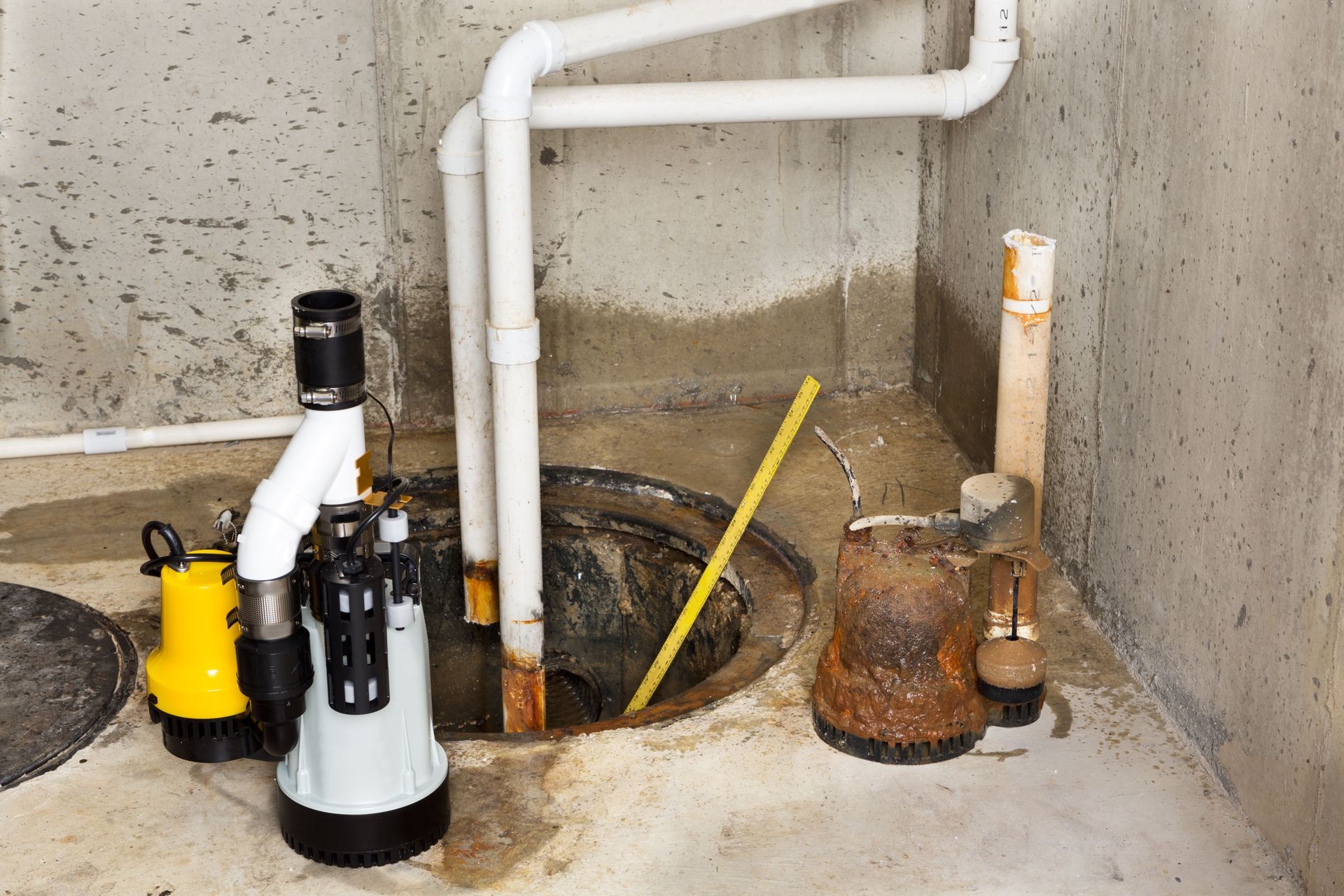
For example, understanding proper sump pump sizing is essential when advising homeowners on flood prevention and basement drainage. According to This Old House, residential sump pumps generally range from about 1/4 horsepower to 3 horsepower, with most homes requiring between 1/3 and 3/4 horsepower depending on water volume and drainage conditions. Staying informed on specifications like these allows licensed professionals to recommend systems that align with a home’s actual needs rather than relying on guesswork.
State-Specific Licensing Laws
Licensing requirements vary by state and municipality. Some regions mandate additional certifications or higher experience thresholds based on environmental factors, water quality concerns, or building density. These regulations reflect local needs and help protect public health.
Property owners benefit from understanding local licensing expectations, particularly when comparing a plumbing contractor across multiple bids. Verifying compliance helps distinguish qualified professionals from individuals operating outside regulatory boundaries.
Common Misconceptions About Licensing
A common misconception is that licensed contractors always cost significantly more. While licensed services may involve higher upfront pricing, this often reflects accountability, insurance coverage, and code-compliant work that reduces long-term repair risks.
Another misconception is that small plumbing tasks do not require professional oversight. Even routine work may involve safety standards, venting requirements, or material specifications that an unqualified plumbing contractor may overlook.
Benefits of Hiring Licensed Plumbing Contractors
Code Compliance and Work Quality
Licensed plumbing contractors are trained to follow local and national plumbing codes. Code compliance protects occupants, supports system longevity, and reduces the risk of costly violations discovered during inspections or property transactions.
Work completed by a licensed plumbing contractor also supports property value. Buyers and inspectors often scrutinize plumbing systems, and documented licensed work can reduce complications during resale.
Professional Accountability
Licensed contractors operate under defined ethical and professional obligations. Regulatory oversight provides mechanisms for dispute resolution and corrective action if standards are not met. This accountability encourages consistent workmanship and transparent communication. Property owners gain an added layer of protection when working with a licensed plumbing contractor subject to professional review.
Insurance and Liability Protection
Licensed plumbing contractors typically carry liability insurance and, in many cases, bonding coverage. This protects homeowners from financial responsibility if property damage or injury occurs during a project. Unlicensed work performed without a properly insured plumbing contractor can expose property owners to significant financial risk.
Access to Tools and Modern Methods
Licensed professionals often invest in updated diagnostic tools and installation equipment. Modern plumbing relies on technology such as video pipe inspections, pressure testing devices, and efficiency-focused components. A licensed plumbing contractor trained in modern methods improves accuracy, reduces disruption, and supports durable results.
Experience Across Plumbing Systems
Licensed contractors develop experience across residential and commercial systems, including water supply lines, drainage systems, fixtures, and specialty installations. This breadth allows them to assess interconnected issues rather than addressing isolated symptoms. This level of experience is difficult to replicate without the training and oversight required of a licensed plumbing contractor.
Risks of Hiring Unlicensed Plumbing Contractors
Substandard or Incomplete Work
Unlicensed contractors may lack the training required to perform work that meets safety and code standards. Improper installations can lead to leaks, water damage, or system failures. Correcting these issues often requires hiring a licensed plumbing contractor later, increasing overall project costs and disruption.
Limited Legal Recourse
When disputes arise, unlicensed contractors are not subject to regulatory boards. Property owners may have limited options for complaint resolution or corrective action. Working with a licensed plumbing contractor provides structured accountability that unlicensed work lacks.
Financial and Legal Exposure
Hiring an unlicensed plumber can expose homeowners to fines if the work violates local codes. Insurance claims related to unlicensed work may also be denied. These risks often outweigh short-term savings and reinforce the importance of choosing a licensed plumbing contractor.
Health and Safety Concerns
Improper plumbing work can compromise water quality, ventilation, or waste disposal. Issues such as backflow, gas leaks, or inadequate venting present serious health hazards. A licensed plumbing contractor is trained to recognize and prevent these risks through compliant installation and testing.
Lack of Warranty Protection
Licensed contractors often provide warranties covering workmanship and materials. These warranties offer recourse if problems arise after project completion. Unlicensed work performed without a qualified plumbing contractor frequently lacks formal guarantees.
How to Verify a Plumbing Contractor’s License
Using State Licensing Databases
Most states provide online databases where consumers can verify contractor licenses. These tools allow searches by name or license number and display status, expiration dates, and disciplinary history. Confirming license status before hiring a plumbing contractor reduces the risk of engaging unqualified individuals.
Questions to Ask Before Hiring
Property owners should ask contractors to provide license numbers, proof of insurance, and examples of similar work. Discussing timelines, estimates, and communication expectations helps establish clarity.
Clear answers and documentation indicate professionalism and preparedness from a qualified plumbing contractor.
Hiring a licensed plumbing contractor is one of the most practical decisions a property owner can make when addressing plumbing needs. Licensing reflects verified training, code knowledge, and accountability, all of which contribute to safer installations and more dependable system performance. From routine repairs to larger upgrades, licensed professionals bring a level of oversight and responsibility that protects both the property and the people who use it.
While unlicensed work may appear appealing from a short-term cost perspective, the long-term risks often outweigh any initial savings. Code violations, insurance complications, and premature system failures can create ongoing expenses and disruptions. By working with a licensed plumbing contractor, homeowners and business owners benefit from compliance, insurance protection, and workmanship that supports durability and reliability over time. Call Pawlak Plumbing LLC today for more.


Share On: