
Understanding the importance of identifying hidden leaks in your home can save you significant money and prevent serious water damage. A local plumber has the training to spot these issues before your bills surge. This article explores the critical role plumbers play in leak detection and the common places they find these sneaky problems. With water scarcity growing as a global concern, proactive leak detection can play a crucial role not just in cost savings but also in sustainable water conservation. Whether beneath your floors or within your walls, leaks hide in many places, each requiring a professional's touch for accurate detection and repair.
Underneath the Surface: Foundation Leaks
Identifying the Signs
Foundation leaks are often insidious, manifesting in subtle signs that homeowners may overlook. You might notice damp spots on your basement floor or an unusual increase in your water bill without observable cause. Other indicators include the sound of flowing water when all fixtures are turned off or a shift in water pressure. Ignoring these signs could lead to more severe consequences, causing irreparable damage to your home's foundation. Having a local plumber inspect these warning signs early can reduce both financial and structural impacts.
The Causes of Foundation Leaks
The causes of foundation leaks are varied, with soil shifts and pipe corrosion being among the most common. External factors such as heavy rainfall or poor drainage systems contribute to soil movement that unsettles your home foundation. Over time, these movements can lead to cracking in the foundation, creating a pathway for water intrusion. Moreover, older pipes are prone to corrosion, which compromises their integrity and eventually leads to leakage. Understanding these causes helps in implementing effective prevention strategies, like securing proper drainage around your home to minimize soil shifts.
Techniques to Spot Foundation Leaks
Plumbers employ advanced methods to detect foundation leaks, making use of specialized technology and expertise. Thermal imaging is one such technique, revealing hidden leaks by detecting temperature variations caused by moisture. Acoustic leak detectors are another tool in a local plumber's arsenal, picking up the sound of water leaks otherwise inaudible to the human ear. Additionally, pressure testing allows plumbers to assess the integrity of your plumbing system and identify leaks. These sophisticated techniques highlight the value of professional leak detection.
Inside the Walls: Pipe Leaks
Recognizing Wall Dampness
Wall dampness is a telltale sign of pipe leaks, often leaving visible water stains or peeling paint. The buildup of moisture within the walls can also lead to the growth of mold, which poses health risks and unpleasant odors. Structural damage may occur if such leaks are left unattended, as continued exposure weakens the wall materials. Moreover, this dampness could lead to electrical hazards by affecting the wiring insulated within walls. Early detection often depends on the trained eye of a local plumber who can pinpoint and address these issues before they escalate into more significant problems.
Factors Leading to Pipe Leaks
Poor installation, material wear, and excessive water pressure commonly contribute to pipe leaks within the walls. Pipes made from substandard materials may degrade faster, losing their efficacy in conveying water safely. Moreover, fluctuations in temperature or pressure can strain even the most robust installations, leading to leaks over time. Additionally, older plumbing systems, often composed of outdated materials like galvanized steel, are especially vulnerable to corrosion and subsequent leakage. Regular upgrades and maintenance guided by a local plumber can reduce these issues and extend your plumbing system's life.
Advanced Detection Techniques
Plumbers are equipped with state-of-the-art tools to uncover and address pipe leaks hidden within the walls. Video pipe inspection is one such method, using tiny cameras to provide a visual confirmation of leaks. These cameras navigate through pipes, transmitting live video feeds to operators who then assess the integrity of your plumbing network. Moisture meters are another essential tool, measuring the moisture content in walls to detect potential leaks. Such advanced detection methods illustrate the precision with which a local plumber can diagnose and resolve leak issues, preventing further damage to your home.
Under the Floor: Slab Leaks
Warning Signs Around the Home
Slab leaks can manifest in several telltale signs, noticeable in different areas of your home. One common indicator is the presence of warm or wet spots on your flooring, suggesting a breach in the pipes beneath. You might also hear the sound of running water when no taps are in use, a direct sign of a suspected leak. Other symptoms include higher-than-normal water bills, caused by the continuous loss of water underground. If ignored, these leaks could destabilize your home's structural integrity, resulting in extensive and costly damage that a local plumber may later need to repair.
Common Causes of Slab Leaks
The causes of slab leaks often relate to ground shifts, chemical reactions, or faulty installations. Shifting ground due to earthquakes or the natural settling of the earth can exert pressure on pipes, leading to leaks. Aggressive soil containing expansive minerals can also swell and damage the slab, exerting pressure on underlying pipes. Additionally, poorly aligned or inadequately supported pipes during the construction phase may be prone to movement and leaks. Correcting these underlying causes is essential for preventing future occurrences, which is why many homeowners call a local plumber for a detailed assessment.
In The Kitchen: Appliance and Faucet Leaks
Spotting Leaks in Appliances and Faucets
Appliance and faucet leaks in the kitchen often show up as puddles of water around these fixtures or unexpectedly low water pressure. If your water bill suddenly spikes without a corresponding increase in usage, a hidden leak could be the culprit. Leaks can also lead to inefficiency in water usage; according to the EPA, leaving a faucet running for five minutes while washing dishes can waste about 10 gallons of water. Visible rust or corrosion on pipes connected to kitchen appliances can also indicate underlying leaks. Regular inspections and prompt repairs from a local plumber can help reduce these inefficiencies and conserve water, keeping utility costs manageable.
Causes of Kitchen Leaks
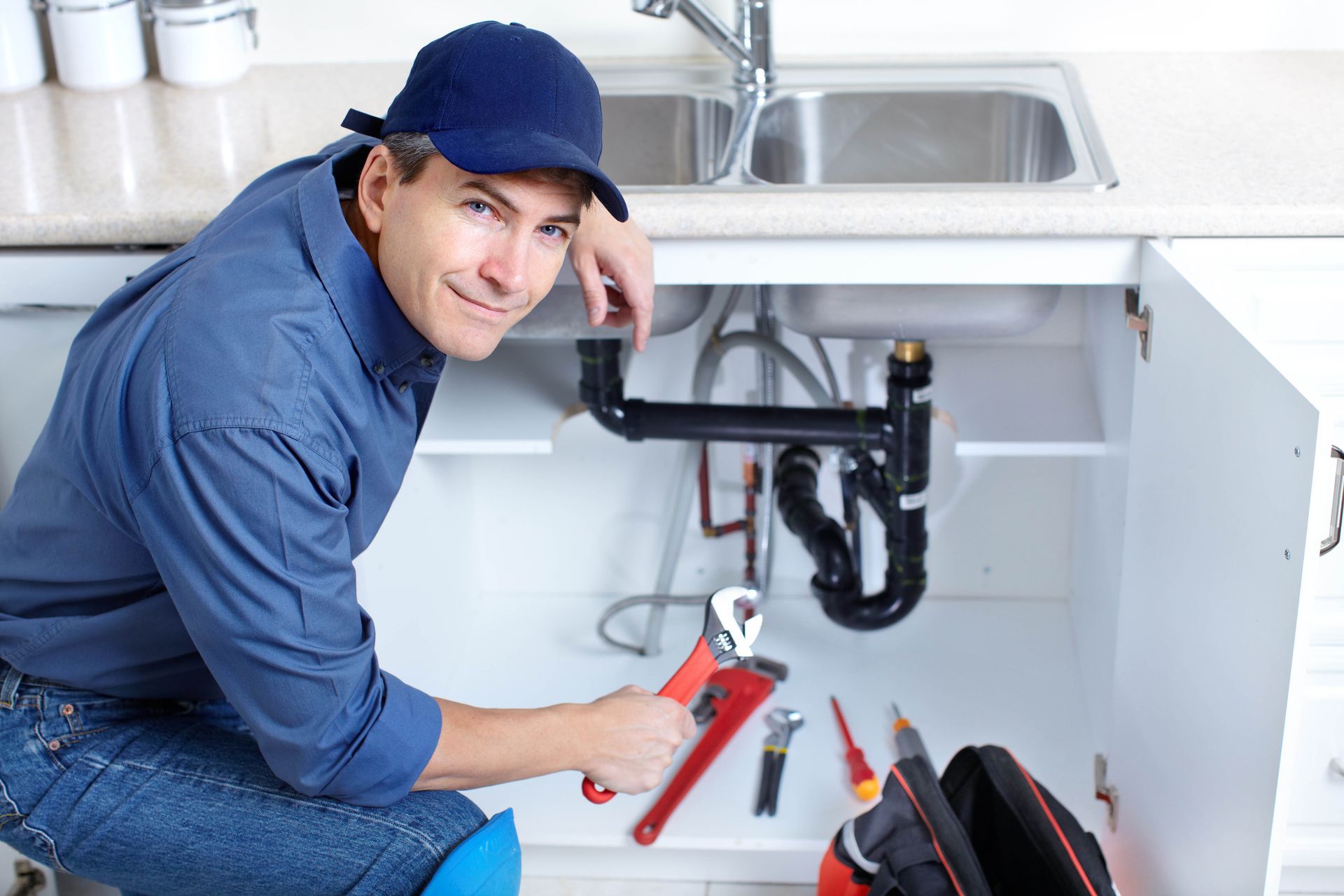
Common causes of kitchen leaks include worn-out seals, clogs in drainage hoses, and the natural wear and tear of faucets and appliances. Seals and washers that secure the flow of water can become cracked or loose over time, leading to drips and leaks. Furthermore, clogs in drainage systems force water to back up and escape through weak points. Wear and tear is exacerbated by the repeated and frequent use of kitchen fixtures, necessitating routine maintenance and replacement of parts. Understanding these causes can aid in preventive care, especially when a local plumber catches the problem before it worsens.
Diagnosing Kitchen Leaks
Plumbers use a variety of tactics to diagnose leaks in kitchen appliances and fixtures, starting with visual and pressure tests to identify problematic areas. Plumbers often employ dye tests, where a special dye is introduced into the water system to trace the leak location. In more advanced scenarios, acoustic sensors may be used, particularly for pinpointing the source of non-visible leaks in dishwasher and refrigerator lines. By applying these diagnostic techniques, a local plumber can provide accurate assessments that guide effective repairs. Addressing these issues early helps preserve the integrity and functionality of kitchen environments.
Hidden leaks pose a significant threat to your home and finances. Recognizing the importance of professional plumber intervention can prevent escalation, save on repair costs, and preserve water efficiency. Regular inspections and proactive maintenance are critical steps in safeguarding your home against hidden leaks. By addressing leaks early, homeowners can mitigate significant water waste and reduce their environmental impact. Ultimately, a proactive approach to leak detection and repair contributes not only to personal cost savings but also to broader conservation efforts and sustainable water use practices. Working with a local plumber on a regular basis can help keep your plumbing system in strong condition while protecting your investment and the environment. Contact Pawlak Plumbing LLC today to learn more.

Share On: