
Reliable hot water supports bathing, cleaning, cooking, and everyday household routines. Traditional storage-tank heaters have served homeowners for decades, but newer technology offers an alternative for households seeking greater efficiency and convenience. Tankless water heaters warm water on demand rather than maintaining a large reservoir at a constant temperature. This difference can affect energy use, equipment longevity, installation space, and maintenance requirements. However, tankless systems are not automatically the best choice for every property. Household demand, existing utilities, and installation costs all deserve consideration. Experienced plumbing companies can help homeowners compare options and determine whether upgrading makes financial and practical sense. Understanding the reasons behind this technology's appeal makes planning a replacement easier.
Reducing Energy Consumption and Utility Expenses
Traditional water heaters maintain a stored supply of hot water even when nobody needs it. Heat gradually escapes from the tank, requiring the equipment to use additional energy to maintain the selected temperature. These standby losses can contribute to utility expenses throughout the year. Tankless equipment heats water only when a fixture requests it, reducing energy consumption associated with maintaining stored hot water.
Actual savings depend on household usage, equipment efficiency, fuel prices, and incoming water temperature. A household using relatively little hot water may experience different results from one with several bathrooms and frequent laundry loads. Professional plumbing companies can review current usage and compare estimated operating costs. While tankless equipment generally costs more initially, energy savings may offset part of that investment over time.
Providing Hot Water for Extended Use
A conventional water heater contains a limited volume of heated water. When multiple people shower consecutively or several appliances use hot water, the stored supply can run low. The tank then requires time to heat replacement water. This interruption can be frustrating for families with busy mornings or frequent guests. Tankless heaters avoid depleting a stored reservoir by warming water continuously as it flows through the unit.
However, continuous operation does not mean unlimited hot water at any flow rate. Every tankless model has a maximum heating capacity, and colder incoming water reduces the amount it can heat effectively. Running several showers simultaneously may exceed that capacity. Homeowners should consider peak demand and select equipment capable of serving their typical routines without uncomfortable temperature changes.
Creating More Usable Space at Home
Storage-tank heaters occupy considerable floor space in garages, utility closets, basements, and mechanical rooms. In compact homes, that footprint may limit shelving, storage, or access to nearby equipment. Tankless systems generally mount on walls and have smaller physical dimensions. Removing a bulky tank can therefore create opportunities to reorganize a utility area or improve access to household systems.
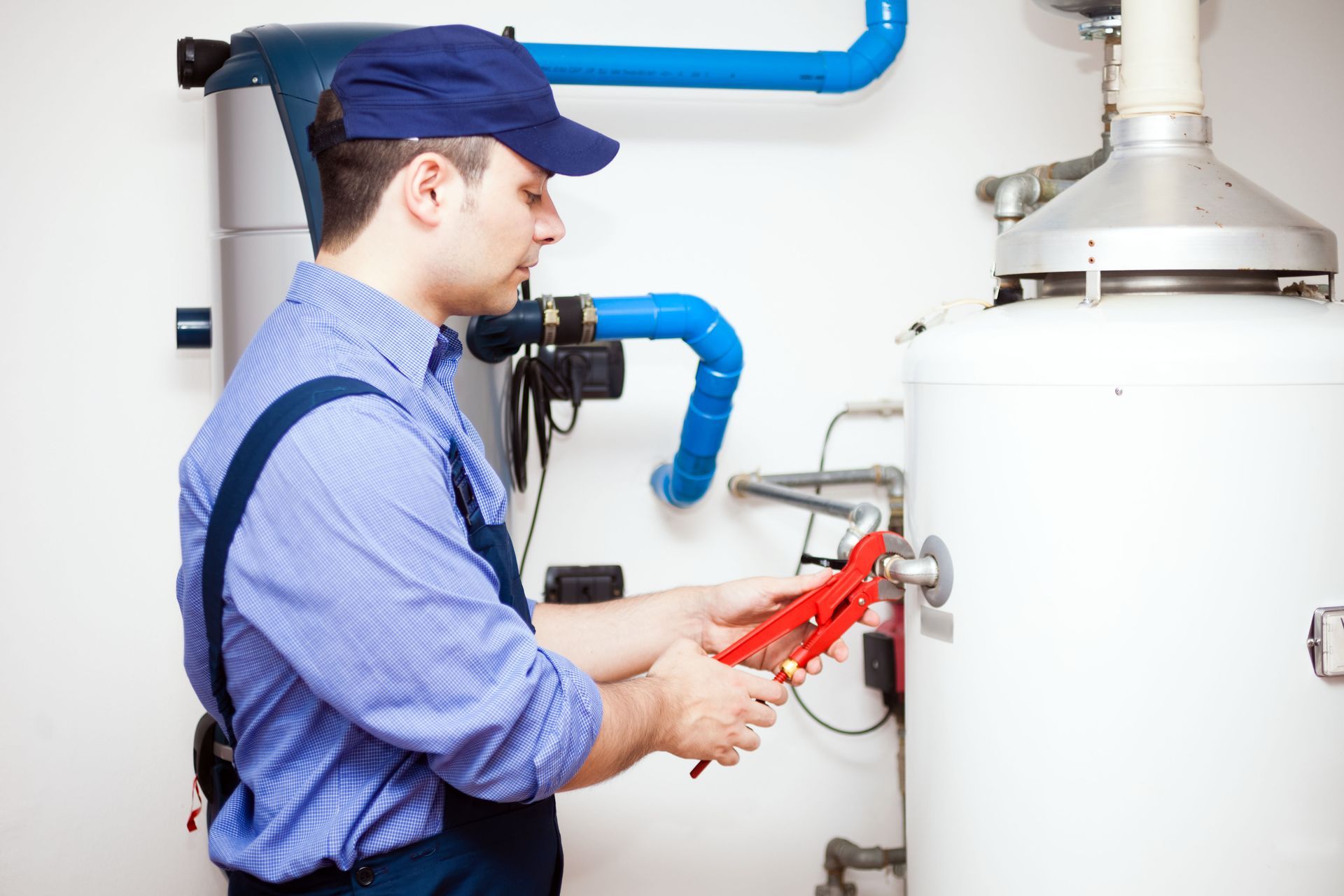
Professional plumbing companies can evaluate suitable mounting locations and determine whether adequate ventilation, electrical service, gas supply, and maintenance clearance are available. Installation is not simply a matter of hanging a smaller unit on a wall. Requirements vary by model and fuel type. Choosing an appropriate location helps homeowners realize space-saving benefits while maintaining safe operation and convenient access for future service.
Extending Equipment Life With Proper Care
Equipment longevity matters when comparing the total cost of water heater ownership. Storage tanks can eventually develop corrosion and leaks, making replacement necessary even when other components still work. Tankless units eliminate the large reservoir and often have components that technicians can service individually. These characteristics may support longer useful lives when equipment is properly installed and maintained.
According to This Old House, tankless water heaters typically have a lifespan of approximately two decades. Actual service life still depends on water quality, usage, maintenance, and operating conditions. Mineral buildup can reduce performance, especially in areas with hard water. Owners should follow manufacturer instructions for flushing, filter cleaning, and inspections. Regular care helps protect the equipment and reduces the likelihood of preventable failures.
Improving Temperature Control and Convenience
Modern tankless heaters frequently feature electronic controls that regulate heating output as water demand changes. Some models allow users to select temperatures through digital displays. These features can make managing hot water more convenient for everyday bathing, dishwashing, and cleaning. A properly sized system may also support lengthy showers without the gradual depletion associated with a storage tank.
Professional plumbing companies can recommend equipment with controls and heating capacities suited to a household's needs. Nevertheless, tankless technology does not automatically deliver instant hot water to distant faucets. Water already sitting in the pipes must still travel out before heated water arrives. Minimum activation flow rates and simultaneous fixture use can also affect performance. Understanding these limitations helps homeowners set realistic expectations.
Reducing Certain Water Damage Risks
A traditional heater stores dozens of gallons of water in a pressurized tank. Corrosion or deterioration can eventually cause a tank leak, potentially damaging nearby flooring, walls, and belongings. Because tankless equipment does not contain a large storage reservoir, it avoids certain failures associated with aging tanks. This advantage may be especially attractive when water heating equipment sits near finished rooms or stored possessions.
Tankless units can still leak through fittings, internal components, or connecting pipes. They also require appropriate safety controls and regular inspections. Homeowners may benefit from considering leak detection devices regardless of which system they choose. Proper installation and maintenance remain essential for minimizing water damage risks. The absence of a large tank reduces some concerns but does not eliminate the possibility of plumbing problems.
Accommodating Renovations and Changing Needs
Kitchen renovations, additional bathrooms, and changing household routines can increase demand for hot water. Replacing an aging heater offers an opportunity to consider whether the existing system still matches those needs. Tankless options include centralized units and smaller point-of-use models intended for specific applications. Depending on the property, these choices may provide flexibility when planning improvements.
Experienced plumbing companies can assess the infrastructure needed for different configurations. Gas models may require venting changes or larger supply lines, while electric units can require significant electrical capacity. These modifications may affect the overall project budget. Reviewing utility requirements before purchasing equipment helps prevent installation surprises and ensures the selected heater can operate within the home's available resources.
Planning Maintenance and Operating Costs
Long-term value involves more than the purchase price. Tankless water heaters require routine maintenance, including periodic descaling where mineral buildup is a concern. Filters and other components may also need inspection. Neglecting these responsibilities can affect efficiency, reliability, and service life. Homeowners should compare maintenance expectations alongside energy savings when deciding whether to upgrade.
A practical maintenance plan accounts for water hardness, usage, manufacturer guidance, and accessibility. Keeping service records can help technicians identify recurring issues and recommend appropriate care. Owners should also review warranty terms and understand which tasks require qualified professionals. Predictable maintenance makes budgeting easier and supports consistent performance throughout the equipment's useful life.
Comparing Installation Costs and Long-Term Value
Tankless heaters often have higher upfront costs than conventional storage-tank models. Expenses may include equipment, installation labor, permits, and modifications to gas, electrical, or venting systems. These costs vary with property conditions and selected equipment. Comparing only the sticker prices of two heaters can therefore give an incomplete picture of the investment.
Reputable plumbing companies can provide detailed estimates and explain how different options affect long-term expenses. Homeowners should ask about expected efficiency, available incentives, warranty coverage, and maintenance requirements. They should also consider how long they expect to remain in the home. A suitable decision balances installation costs with practical benefits rather than assuming the newest technology always offers the best value.
Choosing a tankless water heater can offer advantages involving energy use, extended hot water availability, equipment lifespan, and space efficiency. These systems also eliminate certain storage-tank leakage risks and may complement home renovations. Still, benefits depend on correct sizing, suitable infrastructure, and ongoing maintenance. Homeowners should compare installation expenses, operating costs, and household demand before committing to an upgrade. Consulting experienced plumbing companies can clarify equipment options and help establish realistic expectations. With thoughtful planning, tankless technology may provide a convenient and efficient solution for years to come. For help choosing, installing, or maintaining a tankless water heater, contact Pawlak Plumbing LLC today.

Share On: